Native Blooms for Community Garden Vases
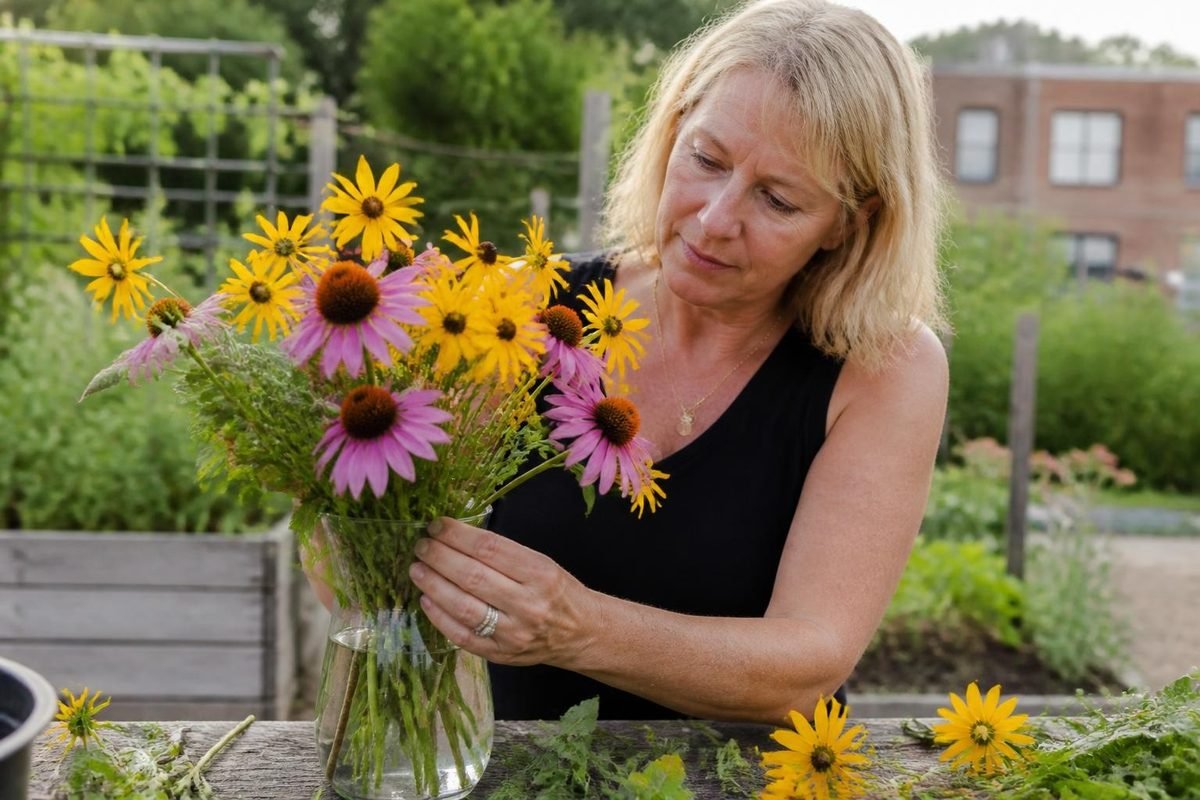
Native wildflowers such as black eyed Susan, purple coneflower and wild bergamot can make attractive arrangements from a community garden. Choose plants suited to your region, then agree on how much to cut so flowers remain for pollinators and other gardeners.
Choose flowers that suit your garden
Native ranges can change across short distances, including within North America. A plant native to one area may not belong in another, so consult a local native-plant resource before purchasing seeds or plants. Botanical names are useful for identifying the right species when common names vary.
Check the growing conditions in your garden as well. Some wildflowers do best in full sun and well-drained soil; others need more moisture or partial shade. Plants suited to the site take less effort to care for and are more likely to produce stems for arranging.
Five flowers worth considering
The North American species below bring varied forms and colors to a vase. Before selecting any of them, compare their growing requirements and native ranges with your garden.
- Black eyed Susan, Rudbeckia hirta: Its yellow petals and dark center create a bright, familiar flower shape.
- Purple coneflower, Echinacea purpurea: Pink-purple petals around a raised center make it a natural focal point.
- Wild bergamot, Monarda fistulosa: Loose clusters of lavender flowers add an airy shape, and the leaves smell minty.
- Dense blazing star, Liatris spicata: Upright purple spikes bring height and contrast to rounder blooms.
- Goldenrod, Solidago species: Its small yellow flowers can fill spaces between larger stems. Select a species native to your region.
Cut flowers without taking too much
First check with the garden group about which beds may be cut and how much each person can take. Leave plenty of blooms standing for insects, seed production and people who enjoy the garden. Do not gather flowers from wild areas unless cutting there is permitted.
Work with clean, sharp scissors or pruners. Cut during the cooler part of the day and put stems into water soon afterward. Take only the amount you need, and do not remove every bloom from a small plant.
Put together a relaxed arrangement
Use a clean vase filled with fresh water. Strip off any leaves that would sit under the waterline, then begin with a few tall stems. Arrange round flowers among them and use smaller blooms to fill gaps.
The arrangement does not need to look identical from every side. Give the stems enough space for their shapes to show. Check the water often, take out flowers as they fade and replace the water to keep the vase neat.
Questions gardeners often ask
Is it all right to cut flowers from a recently planted garden?
New plants usually benefit from time to establish before you take many flowers. Ask the people tending the bed, and leave enough growth for the plants to keep developing.
Do all the flowers in an arrangement need to be native?
Your garden group can decide. An arrangement made entirely of native flowers can draw attention to local plants, while a mixed vase can include whatever the garden has available. In either case, follow the agreed limits on cutting.
A related guide: https://tiffest.com/flowers-on-set-and-at-premieres-how-events-use-floral-design/
Ends · BLOOMGUIDE75